Metal Roof Installation vs. Asphalt Roofing: Key Differences Explained
People searching for metal roof installation are often comparing options, and local contractors can help determine if a metal roof is the right choice for their needs.
If you're exploring options for a new roof, understanding the differences between metal roof installation and asphalt roofing can help make an informed decision. Property owners in the area often consider these options based on factors like durability, longevity, and overall maintenance needs. Whether you're upgrading an existing roof or installing one on a new structure, knowing what sets these materials apart ensures you choose a solution that aligns with your property's needs and your long-term goals.
This comparison is especially relevant for those seeking reliable, long-lasting roofing solutions. Local contractors specializing in metal roof installation can provide insights into how this option stacks up against traditional asphalt roofing, including benefits like enhanced resilience and energy efficiency. Keep reading to discover practical differences that can influence your roofing choice and learn how local service providers can assist in bringing your project to life.
- Metal roof installation - is often chosen when homeowners seek durability and longevity, with local contractors specializing in precise, weather-resistant installation techniques.
- Metal roof installation - might be needed for buildings requiring a lightweight roofing option, with local service providers ensuring proper weight distribution and secure fastening.
- Metal roof installation - is suitable for properties in areas with heavy snowfall or high winds, with local pros focusing on seamless integration and strong fastening systems.
- Metal roof installation - is ideal for those wanting low-maintenance roofing solutions, with local contractors emphasizing quality materials and proper sealing during installation.
- Metal roof installation - can be essential for projects aiming to improve energy efficiency, with local service providers installing reflective surfaces and insulation considerations.
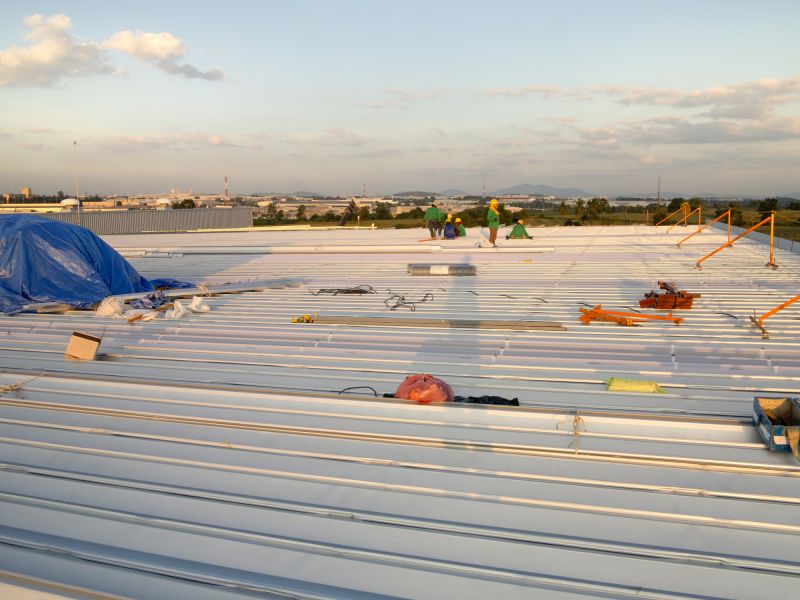
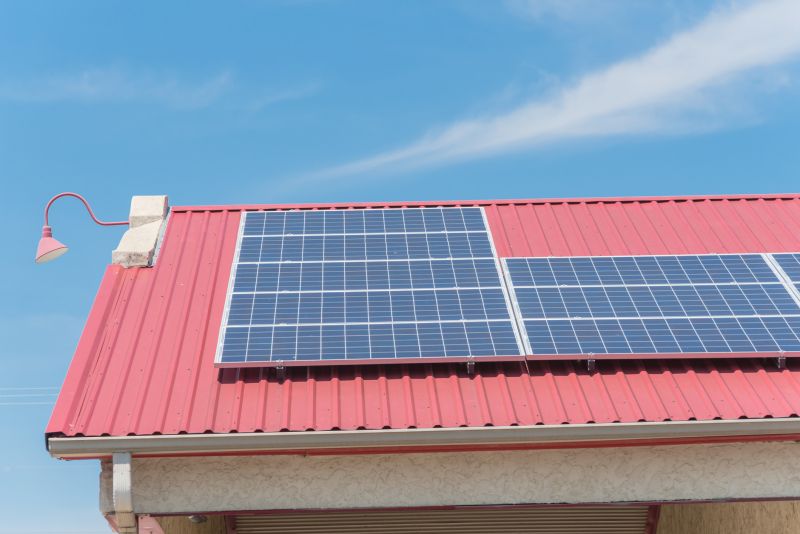
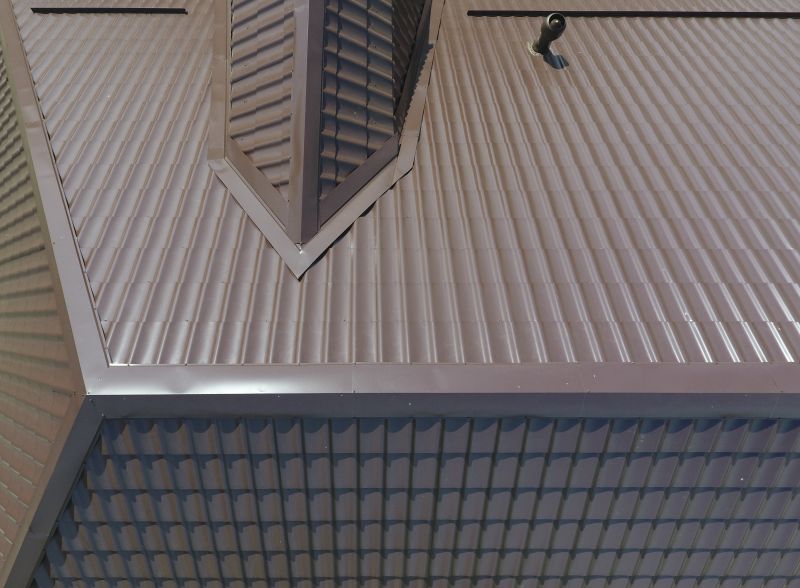
When searching for information about metal roof installation vs. asphalt roofing: key differences explained, homeowners are often trying to understand which roofing material best suits their property and project goals. This topic frequently comes up when planning a roof replacement or new roof installation, especially for residential properties that require durable, long-lasting solutions. Homeowners may be weighing options based on factors like longevity, appearance, and maintenance needs, aiming to find a roofing system that aligns with their property’s style and their long-term plans. The comparison also relates to decisions about upgrading existing roofs, improving energy efficiency, or enhancing curb appeal, making it a common consideration for those seeking to make informed choices about their home’s protection.
The discussion around this topic typically involves addressing common problems such as frequent repairs, premature deterioration, or outdated aesthetics. Property owners often want to know which roofing type offers better resistance to weather elements, how each material performs over time, and what kind of maintenance they can expect. It also ties into planning for future property value and understanding how different roofing options can impact insurance or energy costs. Whether installing a new roof on a single-family home, a multi-unit building, or a commercial property, the goal is to find a solution that provides reliable protection and aligns with the property’s structural needs. Local contractors who specialize in metal roof installation can help evaluate these factors and recommend the best approach for each specific project.
Properties that typically come up in the context of this comparison range from traditional residential homes to more specialized structures. Single-family houses with varying architectural styles often seek guidance on whether a metal roof or asphalt shingles better suit their design and climate conditions. Multi-family complexes and commercial buildings may also explore these options, especially when durability and long-term costs are a priority. Additionally, properties located in areas prone to severe weather or with high exposure to the elements tend to favor metal roofing for its resilience, while those looking for a more budget-friendly or versatile option might lean toward asphalt shingles. Local service providers who offer metal roof installation are well-equipped to assess these property types and help homeowners understand how each roofing material performs in different settings.
Understanding the key differences between metal roof installation and asphalt roofing helps homeowners make practical decisions aligned with their property’s needs. Metal roofs are known for their longevity, often lasting 50 years or more, and their resistance to harsh weather conditions, including wind, rain, and snow. Asphalt roofing, on the other hand, is typically more affordable upfront and easier to install, making it a popular choice for budget-conscious projects. However, it generally has a shorter lifespan-around 15 to 30 years-and may require more frequent repairs or replacements over time. Local contractors specializing in metal roof installation can assist homeowners in weighing these factors, ensuring the chosen roofing system matches both the property’s demands and the owner’s long-term plans.
Choosing between metal roof installation and asphalt roofing involves understanding how each material fits into a property’s overall design, budget, and performance expectations. Metal roofing tends to be more durable, energy-efficient, and resistant to damage, making it suitable for properties that require a high level of protection and minimal maintenance. Asphalt shingles are often favored for their affordability, ease of installation, and variety of styles and colors, which can complement many residential designs. Homeowners should consider the specific conditions of their property and consult with local service providers who specialize in metal roof installation to determine the best fit. These professionals can evaluate the property’s structure, local climate, and aesthetic preferences, guiding homeowners toward a roofing solution that aligns with their project goals.
Metal roof repair services involve specialized skills similar to those used in asphalt roofing, requiring knowledge of roofing materials and installation techniques that ensure durability and weather resistance.
Roofing inspection projects help identify structural issues and material conditions, which are essential steps in planning both metal roof installation and asphalt roofing projects.
Storm damage restoration involves assessing and repairing roofs affected by severe weather, utilizing tools and techniques common to both metal and asphalt roofing repairs.
Commercial roofing services often include installing various roofing systems, requiring expertise in planning and executing projects that may involve metal or asphalt materials.
Roof replacement projects demand detailed planning and the use of similar tools for removing old roofing and installing new materials, whether metal or asphalt.
Gutter and flashing installation complements roofing work and requires precise planning and skill, applicable to both metal roof installation and asphalt roofing projects.
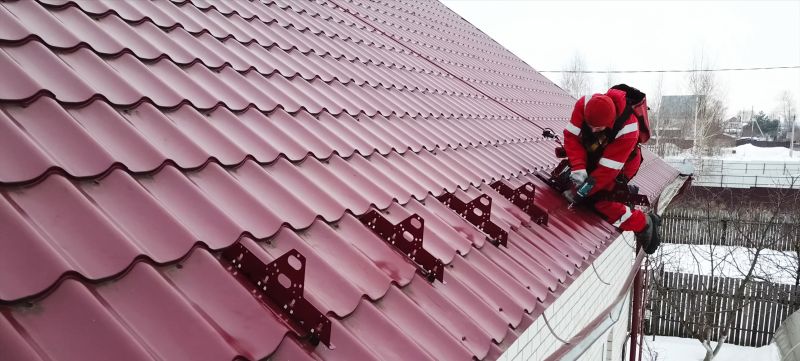
When comparing local contractors for metal roof installation services, it is important to consider their experience with similar projects. Homeowners should seek out service providers who have a track record of successfully completing metal roofing jobs comparable in scope and style to what is desired. Contractors with a history of working on metal roofs can offer insights into the specific techniques and materials that ensure a durable and properly installed system. Reviewing portfolios or asking for references related to previous metal roofing projects can help gauge a contractor’s familiarity with the unique requirements of metal roof installation versus asphalt roofing.
Clear written expectations are essential when evaluating local service providers for metal roof installation. Homeowners should look for contractors who provide detailed proposals outlining the scope of work, materials to be used, and the installation process. Transparent communication about what the project entails helps prevent misunderstandings and ensures that both parties are aligned on the desired outcome. It’s also beneficial to inquire about how the contractor plans to address potential challenges specific to metal roofing, such as handling different panel types or ensuring proper insulation and ventilation.
Reputable references and good communication are key factors in selecting the right local contractor for metal roof installation services. Homeowners can ask for recommendations from previous clients or check online reviews to assess the contractor’s reputation for quality and professionalism. Effective communication throughout the project is vital, as it helps clarify expectations, address concerns promptly, and keep the project on track. Choosing a service provider who demonstrates responsiveness and clarity can lead to a smoother installation process and a final result that meets the homeowner’s needs and preferences.
Property owners often search for metal roof installation vs. asphalt roofing: key differences explained when they are planning practical projects around their homes and businesses. Local pros provide Metal Roof Installation services for everyday jobs and straightforward project options.
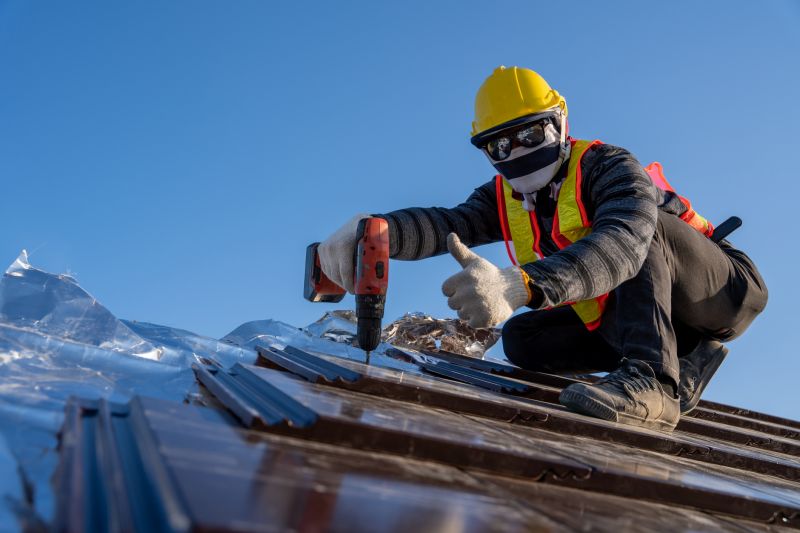
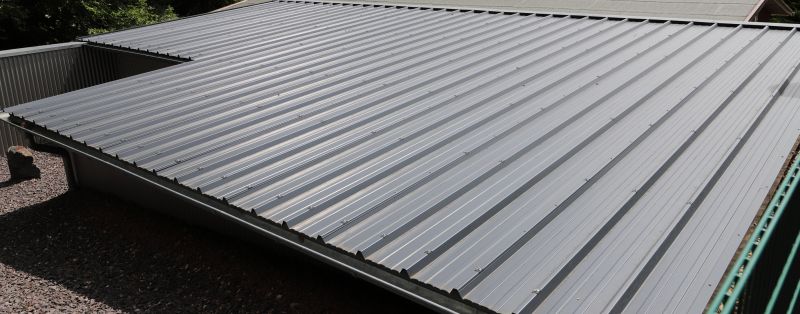
Homeowners in the area often explore the differences between metal roof installation and asphalt roofing when considering a roof upgrade or replacement. Many property owners seek this information to better understand which roofing type might offer longer durability, improved energy efficiency, or a different aesthetic appeal. Since these projects can be significant investments, understanding the key distinctions helps in making informed decisions. Local contractors who specialize in metal roof installation can provide insights into the benefits and challenges of metal roofing compared to traditional asphalt shingles, helping property owners determine if a metal roof aligns with their needs and preferences.
For those evaluating roofing options, the choice between metal roof installation and asphalt roofing often comes down to factors like lifespan, maintenance, and style. Metal roofs tend to last longer and withstand harsh weather conditions better than asphalt shingles, making them a compelling option for durability. However, asphalt roofing remains popular due to its lower initial cost and ease of installation. Local service providers experienced in metal roof installation can assist property owners in weighing these differences and exploring whether a metal roof might be a worthwhile upgrade for their home or business.
What are the main differences between metal roof installation and asphalt roofing? Metal roof installation typically involves more durable materials and longer-lasting performance, while asphalt roofing is generally more affordable and easier to install. Local contractors can help determine which option best suits the specific needs of a property.
How does the installation process differ between metal roofs and asphalt roofs? Metal roof installation usually requires specialized skills and equipment due to the material's weight and fastening methods, whereas asphalt roofing involves laying shingles or rolls over existing layers. Local service providers can handle both types of installations efficiently.
Are there differences in the longevity of metal roofs compared to asphalt roofing? Metal roofs generally last significantly longer, often 40-70 years, while asphalt roofing typically lasts around 15-30 years. Local contractors can advise on the expected lifespan based on the chosen roofing type.
What maintenance considerations are associated with metal versus asphalt roofing? Metal roofs require minimal maintenance and are resistant to many common issues, whereas asphalt roofing may need periodic inspections and repairs for damaged shingles. Local pros can provide guidance on upkeep for each roofing type.
Can local contractors handle both metal roof installation and asphalt roofing? Yes, many local service providers are experienced in installing both metal roofs and asphalt roofing, allowing property owners to choose based on their preferences and needs.
Assessing durability needs - Property owners can discuss with local contractors about the longevity and weather resistance of metal roof installation versus asphalt roofing for their specific climate conditions.
Choosing maintenance routines - Homeowners may plan regular inspections and upkeep strategies based on the material type, with local service providers offering guidance for each roofing option.
Matching roof style to property design - Property owners can explore how different roofing materials complement their building’s architecture, with local pros providing style recommendations and installation options.
Evaluating installation considerations - Homeowners might consider the complexity and preparation required for each roofing type, with local contractors advising on the best approach for their project.
If you are thinking about metal roof installation vs. asphalt roofing: key differences explained for a property, this guide is meant to help you understand this topic, the typical project types, and how different options might fit your plans.
When you are ready, you can use the quote form on this page to share a few details about your project. From there, local pros can review the basics and follow up with options that match what you have in mind.